
Learn how to improve supplier relationships and optimise procurement processes with a digital supplier portal. Boost communication and performance.
One channel
Questions, documents and changes run through the same place instead of email.
Suppliers take part
Data is maintained at the source by the supplier themselves.
Always current
Certificates and contact details stay up to date without separate requests.
Suppliers play a critical role in the success, resilience and compliance of modern organisations. However, supplier information and communication are often scattered across emails, spreadsheets and disconnected systems. This lack of structure makes supplier management time-consuming and reactive. By adopting a smart Supplier Portal, organisations can centralise supplier data, streamline communication and move towards more strategic supplier management.
What is Supplier Management and why does it matter?
Supplier management refers to the structured approach organisations use to manage, monitor and improve relationships with suppliers. It goes far beyond contract administration and pricing, covering areas such as supplier performance, risk management, compliance and collaboration. Effective supplier management enables organisations to maintain control over supplier data while making informed decisions based on reliable insights.
When supplier management is not centrally organised, information quickly becomes outdated and risks remain hidden. By managing suppliers in a structured and digital way, organisations gain transparency, reduce operational risks and create a foundation for long-term value creation with their suppliers.
Vendor Management in 5 steps
Vendor Management plays a crucial role in strengthening your vendor relationships and achieving strategic goals. With this whitepaper, you will learn how to streamline processes, minimise risks and manage costs. Download now and take the first step.
Why clear communication with suppliers is essential
Clear communication with suppliers is essential for building strong and reliable supplier relationships. When communication takes place through unstructured channels such as email, important information can be missed or misunderstood. This often leads to delays, errors and frustration on both sides.
By centralising communication with suppliers in a single platform, expectations become clearer and collaboration more consistent. Suppliers know exactly what is required of them and organisations have full visibility into ongoing requests and responses. This structured approach helps improve supplier relationships and creates a more transparent and professional way of working together.
What is a Supplier Portal and how does it work?
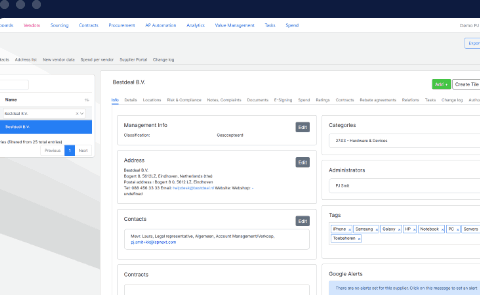
A Supplier Portal is a digital environment where organisations and suppliers collaborate efficiently. Using supplier portal software, suppliers gain access to a secure interface where they can manage their company information, upload documents and respond to requests.
Through a Supplier Portal, organisations can request certificates, company details or quotations directly from suppliers. Automated notifications ensure that documents remain up to date and actions are completed on time. For procurement and supplier management teams, the Supplier Portal acts as a single source of truth for all supplier-related information.
Benefits of digital supplier collaboration
Digital supplier collaboration through a supplier communication platform brings structure and efficiency to daily interactions with suppliers. Instead of manually following up on emails or tracking information across systems, all communication and documentation are handled in one central environment.
This approach reduces administrative workload, improves data quality and increases transparency. At the same time, digital supplier collaboration enables organisations to engage suppliers more proactively, shifting the focus from operational tasks to continuous improvement and long-term collaboration.
“The Supplier Portal is a central place for retrieving and posting documents to suppliers. The system works both ways.”
 Dirk Jan LeppersProduct Manager | ISPnext
How a Supplier Portal helps optimise the procurement process
A Supplier Portal plays a key role in helping organisations optimise the procurement process. By involving suppliers directly in sourcing and information requests, procurement teams can collect complete and comparable data more quickly. This improves decision-making and shortens procurement cycle times.
Because information is entered once and shared centrally, errors are reduced and compliance is easier to manage. As a result, a supplier portal not only helps optimise the procurement process, but also increases control, efficiency and reliability across procurement activities.
How ISPnext supports Supplier Management in the UK
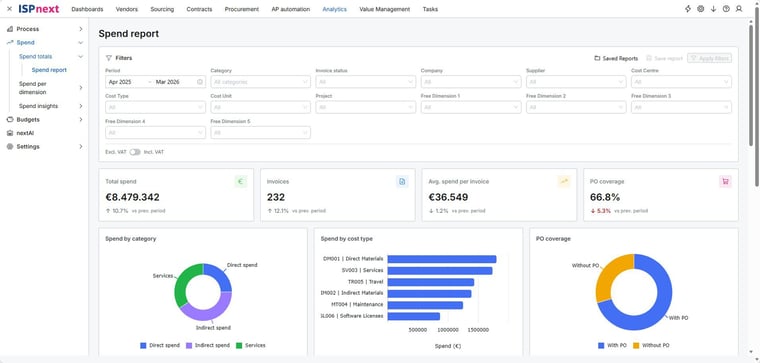
ISPnext supports organisations in the UK with advanced solutions for supplier management, including a fully integrated Supplier Portal as part of its Vendor Management platform. This enables organisations to centralise supplier information, structure communication and gain insight into supplier performance.
By actively involving suppliers through the Supplier Portal, ISPnext helps organisations reduce risk, ensure compliance and improve collaboration. The result is a more mature approach to supplier management, where operational efficiency and strategic value go hand in hand.
Frequently asked questions
Supplier management in procurement refers to the structured way organisations manage relationships with their suppliers throughout the entire supplier lifecycle. This includes onboarding, maintaining accurate supplier data, monitoring performance, managing risk and ensuring compliance with policies and regulations. Effective supplier management enables procurement teams to work with reliable partners, reduce operational and compliance risks and create long-term value through better collaboration and informed decision-making.
A supplier portal works as a central digital platform where organisations and suppliers interact. Using supplier portal software, suppliers are given secure access to manage their own information, upload required documents and respond to requests such as questionnaires or quotations. Automated notifications remind suppliers to update expiring information, while procurement teams gain real-time visibility into supplier data. This structured approach reduces manual effort and ensures that supplier information remains accurate and up to date.
Communication with suppliers is important because it directly affects the quality, reliability and efficiency of the supplier relationship. Poor or fragmented communication often leads to misunderstandings, delays and inconsistent information. By centralising communication with suppliers in a single platform, organisations create clarity around expectations and responsibilities. This helps improve supplier relationships, increases trust and enables more proactive collaboration instead of reactive problem-solving.
Digital supplier collaboration provides organisations with greater transparency and control over supplier interactions. By replacing manual processes and scattered communication with a structured digital environment, organisations reduce administrative workload and improve data quality. Digital collaboration also makes it easier to involve suppliers in continuous improvement initiatives, supporting stronger partnerships and more resilient supply chains.
A supplier portal improves procurement efficiency by streamlining how information is collected, shared and maintained. Suppliers can submit data, documents and quotations directly through the portal, eliminating repetitive follow-ups and manual data entry. This helps optimise the procurement process by shortening cycle times, reducing errors and enabling procurement teams to focus on strategic activities rather than administrative tasks.
ISPnext supports supplier communication and performance through its integrated supplier management solutions, including a powerful Supplier Portal. The platform centralises supplier communication, performance tracking and documentation, giving organisations full visibility into their supplier base. By enabling structured interaction and performance insights, ISPnext helps organisations strengthen supplier relationships, manage risk and continuously improve supplier performance.